Best time to visit Shibuya month‑by‑month
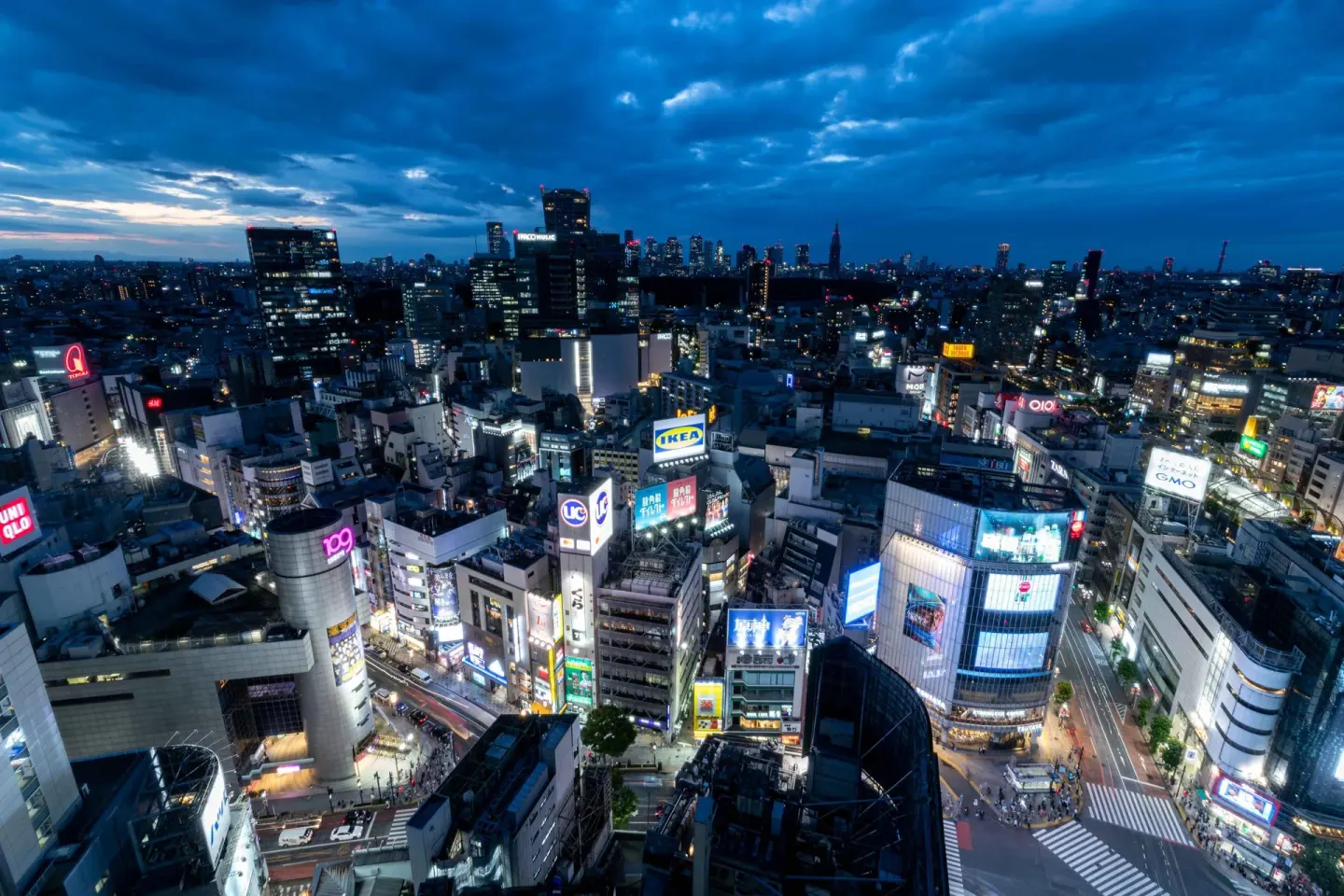
Best months to visit Shibuya for weather and sightseeing are May, October and November — these months typically have comfortable temperatures, lower rainfall, and good visibility for city and observation-deck views. For cherry blossoms aim for late March–early April; avoid the rainy season (early June–mid July) if you dislike humid, drizzly weather.
In this guide
- Spring: March–May (cherry blossom season and mild weather)
- Rainy season: June–mid July (tsuyu)
- Summer: late July–September (hot, humid; typhoon risk in September)
- Autumn: October–November (clear skies and comfortable weather)
- Winter: December–February (cold, dry, good visibility)
- When to book and which rooms to consider
Spring: March–May (cherry blossom season and mild weather)
Spring brings mild temperatures and one of the year’s busiest photo opportunities — cherry blossom season usually peaks in late March to early April in central Tokyo. Expect pleasant daytime conditions good for walking around Shibuya and visiting nearby parks.
Crowds increase around popular spots such as Shibuya Scramble Crossing, Hachiko Statue and Shibuya Sky during cherry blossom weekends, so plan earlier or later in the day for quieter sightseeing.
- Weather: mild; April average roughly 10–19°C (50–66°F) per regional climate data.
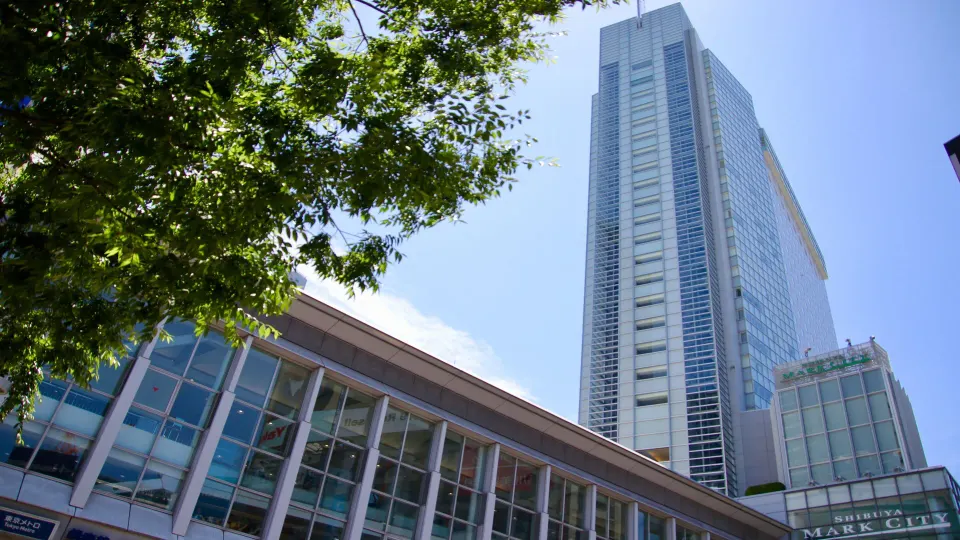
- Why stay here: direct access to Shibuya Station makes it easy to move between flower-viewing spots.
- Tip: book a room early if you want a Shibuya-facing view during peak blossom dates.
| Month | What to expect |
|---|---|
| March | Blossom start some years; cool mornings, mild afternoons |
| April | Cherry blossom peak in many years; busiest tourist days |
| May | Warm, comfortable; Golden Week can be busy |
Rainy season: June–mid July (tsuyu)
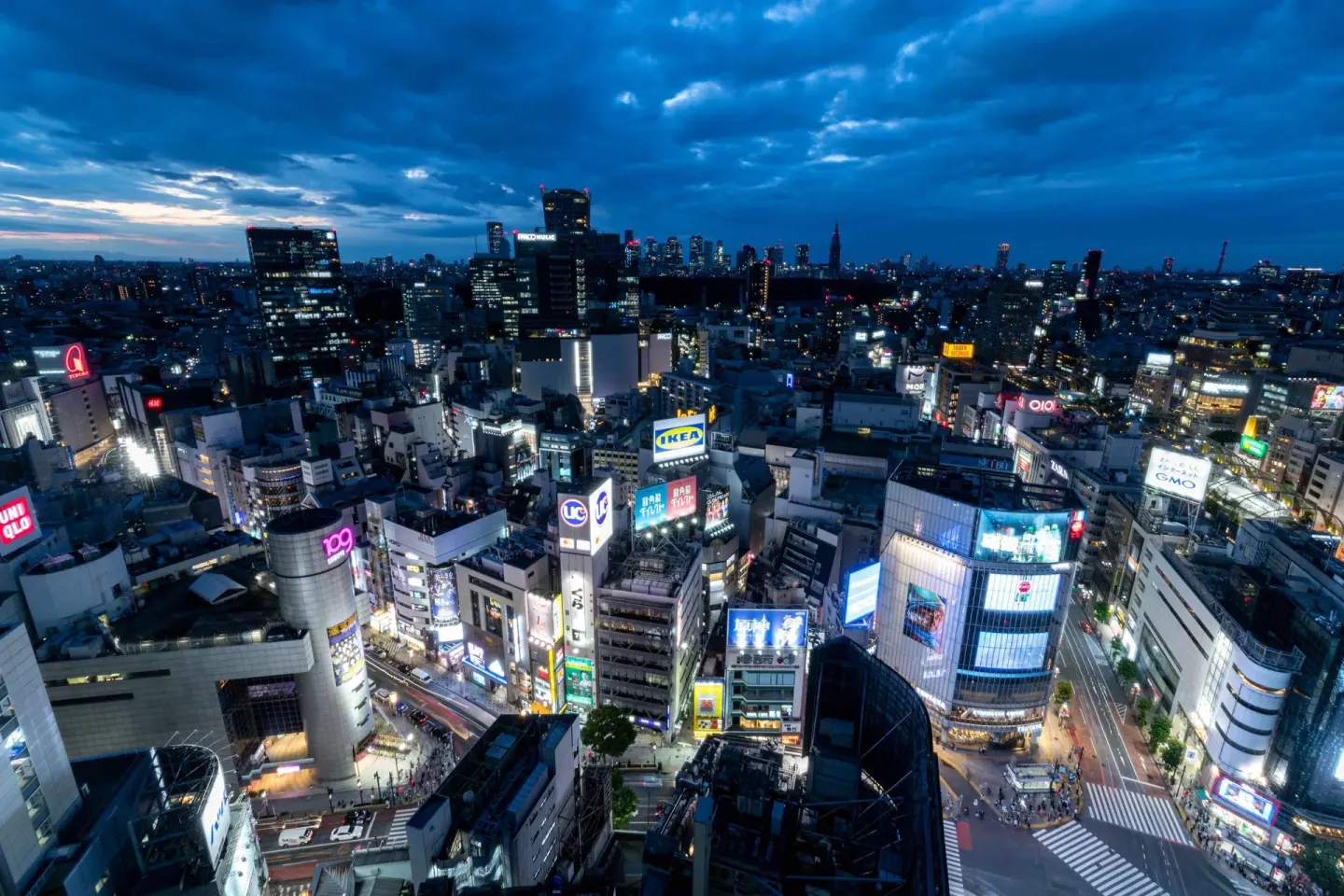
The tsuyu rainy season typically runs from early June through mid-July and brings the highest chance of overcast skies and drizzle. Humidity rises and outdoor plans can be affected by persistent wet weather.
Shibuya’s covered shopping arcades, department stores and the hotel’s direct station connection are helpful when it rains; plan indoor activities like museums, shopping complexes, or the hotel’s Estacion Café lounge.
- Pack a compact umbrella and quick-dry clothing.
- Expect fewer clear-sky observation-deck days at SHIBUYA SKY.
- Indoor alternatives: shopping at Shibuya 109, department stores, or restaurant-based experiences.
| Travel focus | Good choices |
|---|---|
| Sightseeing | Indoor shopping, museums, cafés |
| Photography | Urban, moody shots; limited clear skyline views |
| Crowds | Generally lower outside holiday weeks |
Summer: late July–September (hot, humid; typhoon risk in September)
Summer in Tokyo is hot and humid, with August often the warmest month. If you visit in July–August expect higher temperatures and humidity that can make long outdoor walks uncomfortable.
Typhoon season becomes more likely in September, which can bring heavy rain and strong winds on affected days. Keep monitoring weather alerts when traveling in early autumn months.
- Stay hydrated and plan air-conditioned breaks — the hotel and nearby malls offer relief.
- If you need a quieter stay consider weekdays outside Obon (mid-August) when domestic travel peaks.
- Check public transport or airport-limousine-bus schedules if a typhoon is forecast.
| Month | Notes |
|---|---|
| July | Hot; start of high humidity |
| August | Hottest month; Obon holiday can raise local crowds |
| September | Typhoon season increases potential travel disruption |
Autumn: October–November (clear skies and comfortable weather)
Autumn is one of the best times to visit for comfortable temperatures, low rainfall, and clear skies that make observation-deck views sharper. October and November often rival May as ideal months for sightseeing.
Autumn foliage appears later in the season farther from central Tokyo; still, crisp air and lower humidity make walking around Shibuya pleasant for daytime and evening exploration.
- Weather: typically clear and comfortable; good visibility from SHIBUYA SKY and hotel high floors.
- Activities: evening city views, shopping, and dining without summer heat.
- Tip: October–November are recommended months if you want generally reliable weather with fewer rain interruptions.
| Why choose autumn | Benefits |
|---|---|
| Weather reliability | Lower rainfall, comfortable temps |
| Visibility | Good views for cityscapes and distant landmarks |
| Crowds | Moderate outside major national holidays |
Winter: December–February (cold, dry, good visibility)
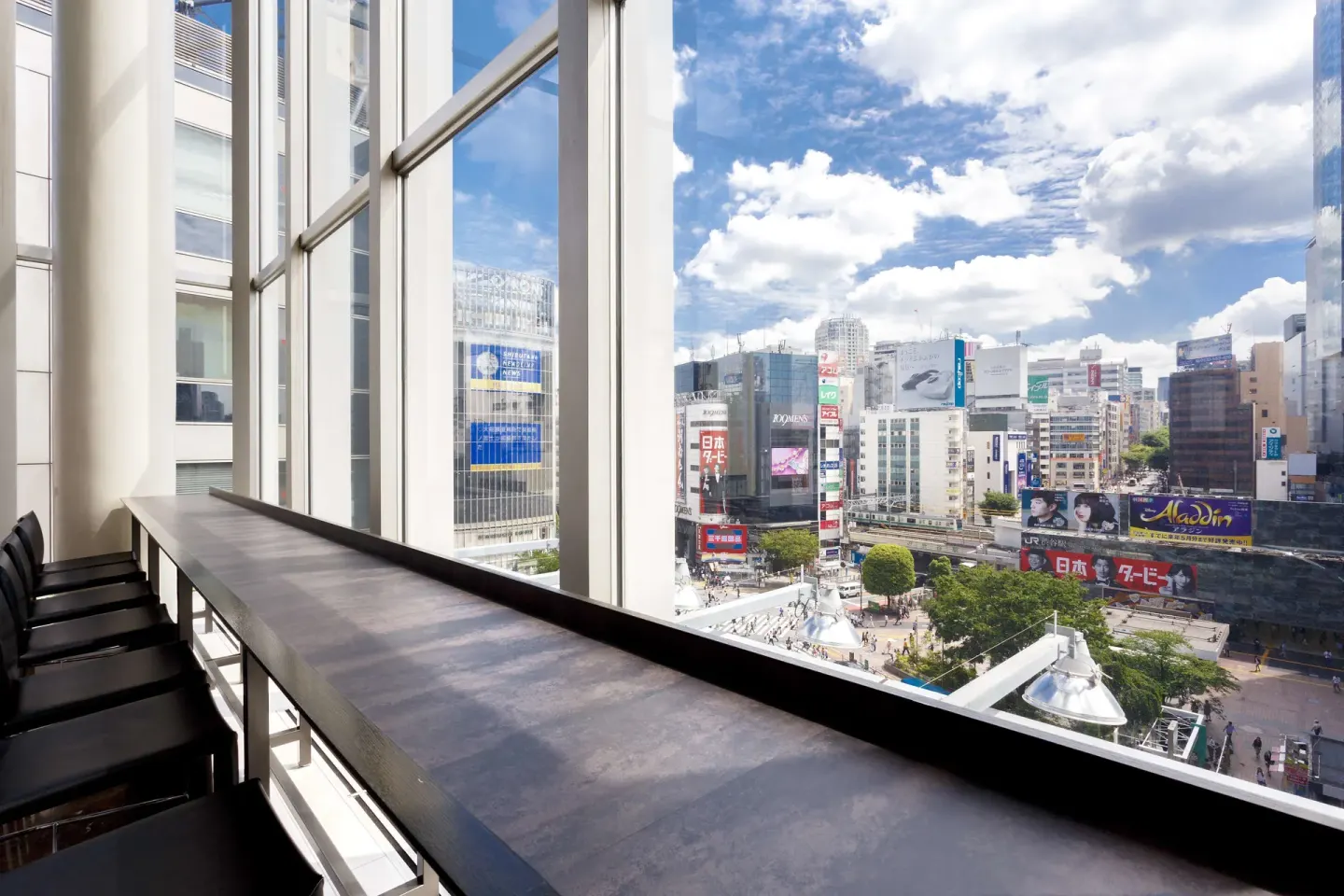
Winters are cold and dry with low humidity; many clear days offer good views from the hotel’s higher floors and nearby observation decks. January tends to be the coldest month in central Tokyo.
If you seek fewer crowds and crisp city views, winter can work well. Note that the hotel and neighborhood remain lively—shops and restaurants stay open year-round—so winter evenings are still active.
- Pack warm layers; nights can drop significantly compared with daytime.
- Clear winter days increase the chance of distant views (Mount Fuji visibility is limited overall and varies yearly).
- Hotel amenities such as Estacion Café remain available for warm indoor breaks.
| Month | Visitor note |
|---|---|
| December | Festive lights and city events; cool weather |
| January | Coldest month; clear skies often good for views |
| February | Dry, bright days; still cool |
When to book and which rooms to consider
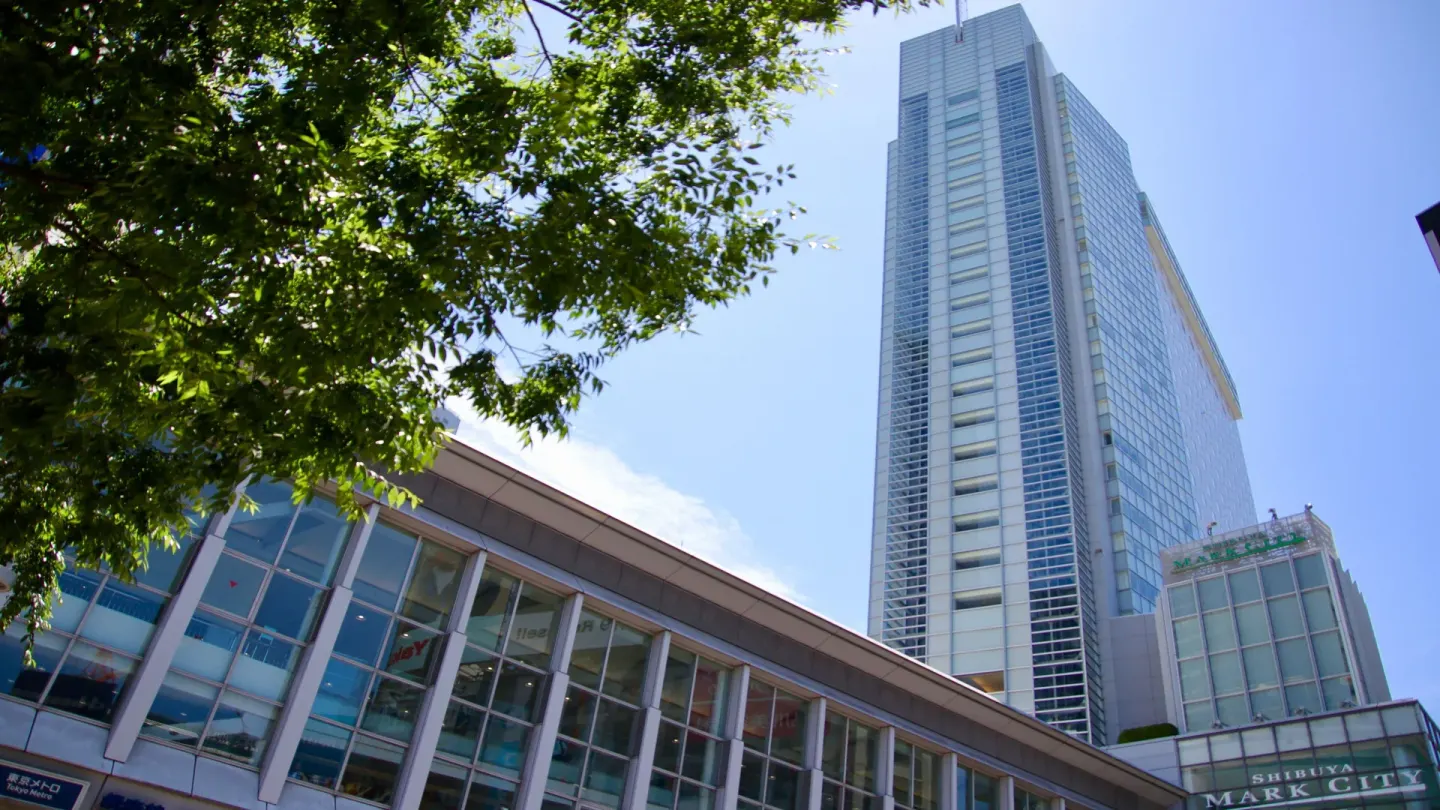
Book earlier for travel during cherry blossom season (late March–early April), Golden Week in late April–early May, and major Japanese holidays. The hotel offers 408 guest rooms across multiple floors and specialty floors like a Ladies' Floor and an Excel Floor.
Room choices depend on preference for view, floor level and bed configuration; the hotel has options ranging from smaller city rooms to larger multi-bed rooms for families.
- Premier, 14 - 19F Room (1 King Bed) — higher floors and King bed.
- Excel, 21 - 24F Room (2 Twin Beds) and Excel Semi-, 21 - 24F Room (1 Large Twin Bed) — upper-level Excel Floor rooms.
- Superior Room with Park View (1 Queen Bed), Standard Double, 7 - 12F (1 Double Bed), Standard Twin, 7 - 12F (2 Twin Beds).
- Triple Room, 7 - 12F (3 Twin Beds) and Quad Room, 7 - 12F (4 Twin Beds) for groups or families.
| Travel type | Recommended room types |
|---|---|
| Couples wanting view | Premier, 14 - 19F Room; Superior Room with Park View |
| Families or groups | Triple Room; Quad Room; Corner, 13 - 19F (Shibuya Crossing View) Room |
| Business travelers | Excel, 21 - 24F Room; Excel Semi-, 21 - 24F Room |